JS
Joshua S.
2 hours ago
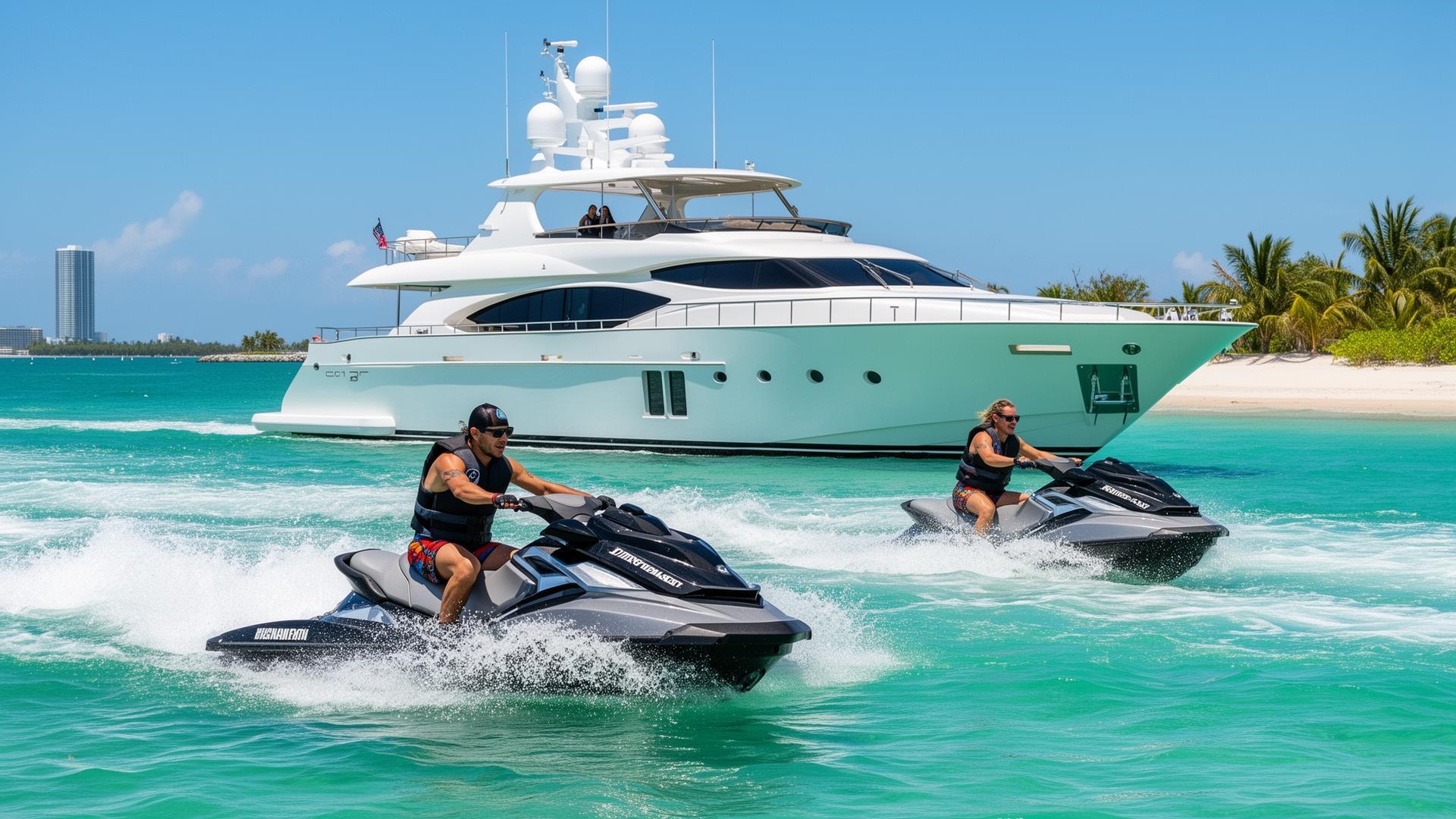
Amazing yacht rental experience. Ben was great on board, helpful, friendly and on top of everything. Everything went perfect, and the jet skis were superior. Will definitely be back.
Explore the coral reefs, shipwrecks, and marine life of Biscayne Bay and the Florida Keys. Guided scuba diving for all certification levels — from first-time divers to advanced wreck divers.

AS SEEN IN




SCUBA DIVING MIAMI
Miami sits at the northern edge of one of the world's richest marine ecosystems. Biscayne National Park — America's largest marine national park — begins minutes south of the city. The Florida Keys reef tract, the third-largest barrier reef system on earth, extends from Key Largo to Key West within a half-day's reach by boat. Few coastal cities in the United States offer dive conditions this diverse this close to an urban center.
Whether you are a first-time diver looking for a guided introduction to the reef or an advanced diver targeting historic shipwrecks in 100+ feet of water, Miami and the surrounding waters have a dive for every certification level and interest. This guide covers the best dive sites, what to expect underwater, the marine life you are likely to encounter, and the practical details that make a South Florida dive day successful.
Planning to combine your dive with time on the water? Our private yacht tour Miami or a yacht charter can serve as the perfect platform for a full day on Biscayne Bay — diving in the morning, cruising and snorkeling in the afternoon.
WHERE TO DIVE
From shallow coral gardens in Biscayne Bay to deep historic shipwrecks in the Keys, South Florida has dive sites for every level and every interest.
A 172,000-acre marine park just south of Miami, Biscayne National Park is one of the most accessible and biodiverse dive destinations in South Florida. Coral reefs, sponge gardens, and shallow reef systems make it suitable for both beginner and experienced divers. The park's protected status means exceptional water clarity and abundant marine life compared to unprotected reefs elsewhere in the region.
Two US Coast Guard cutters sunk intentionally off Key Largo as artificial reef structures. The USCGC Duane sits at around 120 feet while the Bibb rests at approximately 130 feet, making them suited to intermediate and advanced divers. Massive schools of fish, coral growth across the hull, and clear Atlantic water make these among the most photographed wreck dives accessible from the Miami area.
The reef system off Key Biscayne and along the outer edge of Biscayne Bay offers accessible shallow diving in 15 to 45 feet of water. Elkhorn and staghorn coral, tropical fish, sea turtles, and lobsters are commonly spotted. The proximity to Miami makes it a practical half-day dive destination reachable from most South Miami marinas without long boat travel.
America's first underwater state park, located in Key Largo roughly 60 miles south of Miami. The park covers over 178 nautical square miles and encompasses patch reefs, spur-and-groove formations, and seagrass beds. The famous Christ of the Abyss statue stands at around 25 feet and is a landmark photo stop for every dive tour. Consistently warm, clear water year-round.
Several artificial reef structures have been deployed off Miami Beach and Sunny Isles in 30 to 60 feet of water. These include sunken vessels and concrete reef modules that have developed extensive coral and sponge communities. Night dives here reveal octopus, moray eel, and nocturnal reef fish that are rarely seen during the day. Accessible from multiple Miami Beach marinas.
A 269-foot freighter sunk in 1985 in 110 feet of water off Islamorada. One of the premier wreck dives in South Florida, the Eagle hosts an enormous moray eel population, goliath grouper, and dense schools of silverside fish. An iconic dive for advanced certification holders, accessible via a full-day boat trip from Miami.
TYPES OF DIVES
From beginner introductory dives to advanced wreck exploration, here are the main types of scuba diving experiences available in the Miami area.
No certification required. A certified instructor takes you through basic skills in shallow water before guiding your first open water dive. Designed for beginners who want to experience scuba without completing a full certification course. Conducted in calm, shallow conditions.
For certified divers, guided reef tours led by a local dive master who knows the reef systems intimately. Covers the best coral formations, fish populations, and hidden spots that independent divers typically miss. Available at Biscayne National Park and the Upper Keys reef systems.
After-dark dive experiences on Miami's artificial reef structures or the Key Biscayne reef edge. Night dives reveal an entirely different ecosystem as nocturnal fish, lobsters, octopus, and hunting moray eels emerge after sunset. A transformative experience for those who have done daytime reef diving before.
Dedicated wreck dive trips to the Bibb, Duane, Eagle, and other sunk vessels off the South Florida coast. Wrecks attract enormous concentrations of marine life and provide unique structural exploration opportunities. Suitable for advanced open water certified divers comfortable at 60 to 130 feet.
UNDERWATER
South Florida's waters support some of the most diverse marine ecosystems in North America. Here is what divers regularly encounter on Miami-area reef and wreck dives.
Green sea turtles and loggerheads are regularly spotted on the reef systems throughout Biscayne National Park and the Upper Keys. Most common in summer months when females come inshore to nest.
These massive, slow-moving fish congregate around shipwrecks and large coral structures. Adults can exceed 400 pounds and are fully protected in Florida waters. A highlight on any South Florida wreck dive.
Green and spotted morays are abundant across Miami's reef and wreck systems. They rest in crevices by day and are active hunters at night. Common at nearly every dive site in the region.
Parrotfish, angelfish, snapper, grouper, damselfish, and dozens of other reef fish species are found across Biscayne Bay's coral formations. The healthiest patches support hundreds of individuals per dive.
Nurse sharks rest on the sandy bottom near reefs throughout Biscayne National Park and the Keys. Non-aggressive and easy to approach, they are one of the most reliably spotted shark species on guided reef dives.
Spotted eagle rays cruise the outer reef edges and over seagrass beds. Graceful, large, and unmistakable in flight, they are one of the most memorable sightings on any South Florida dive or snorkel.
WHAT TO KNOW
Open water certification is required for most guided reef and wreck dives. Discover Scuba introductory dives are available without certification and are conducted in shallow conditions with constant instructor supervision. Advanced open water certification is recommended for wreck dives below 60 feet.
Miami and South Florida offer year-round diving. Water temperatures range from around 70°F in January to 85°F in August. Visibility is typically highest in winter and spring when winds are calmer and runoff is minimal. Summer brings warm water and calmer conditions offshore. Hurricane season runs June through November but most dive days remain excellent.
Certified divers should bring their certification card, log book, and any personal equipment preferences. Mask, fins, and wetsuit are typically provided through rental. Sunscreen that is reef-safe is strongly recommended — standard chemical sunscreens cause significant coral damage. A change of clothes and a towel complete the essentials.
Scuba diving requires a basic level of fitness and the absence of certain medical conditions. Heart conditions, asthma, ear and sinus problems, and pregnancy are common contraindications. A brief health questionnaire is standard before any dive. If you have questions about specific medical conditions and dive safety, consult a physician familiar with dive medicine.
Full scuba equipment sets including regulator, BCD, tank, wetsuit, mask, and fins are available through rental at most Miami dive operators. All gear is inspected, sanitized, and maintained to manufacturer standards before each use. Underwater cameras and dive computers are available for rent at most operations.
Guided dive tours typically run in small groups of 4 to 8 divers per instructor or dive master. Private guided dives for one or two divers are available at most operators and are recommended for beginners or guests who prefer undivided instructor attention on their first ocean dive.
GET IN TOUCH
Questions about dive sites, certification requirements, combining a dive with a private yacht charter, or anything else about scuba diving in Miami? Reach out and we'll point you in the right direction.
FAQ
EXPLORE MORE

Private birthday celebration on the water
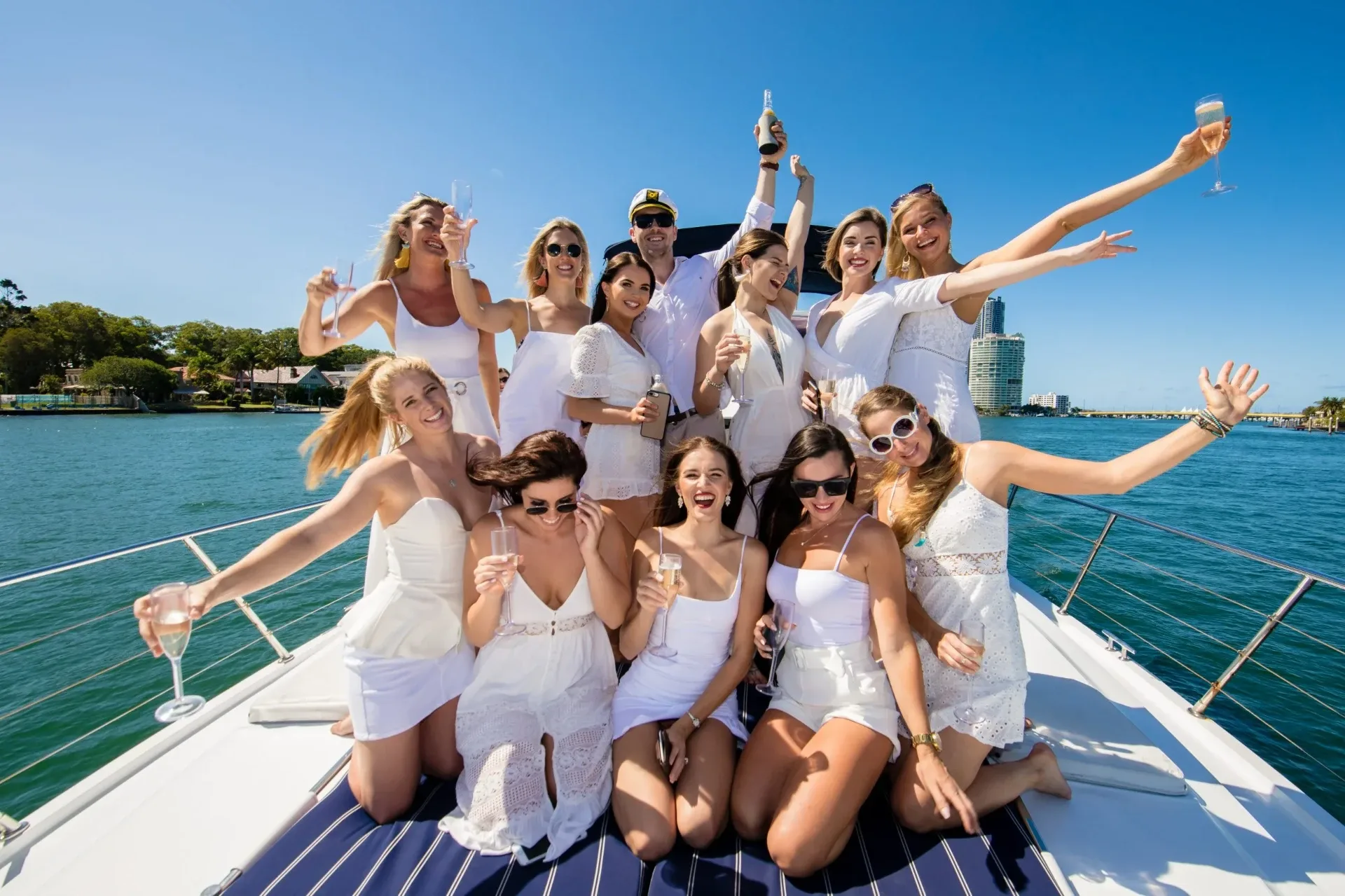
The ultimate girls trip on the water
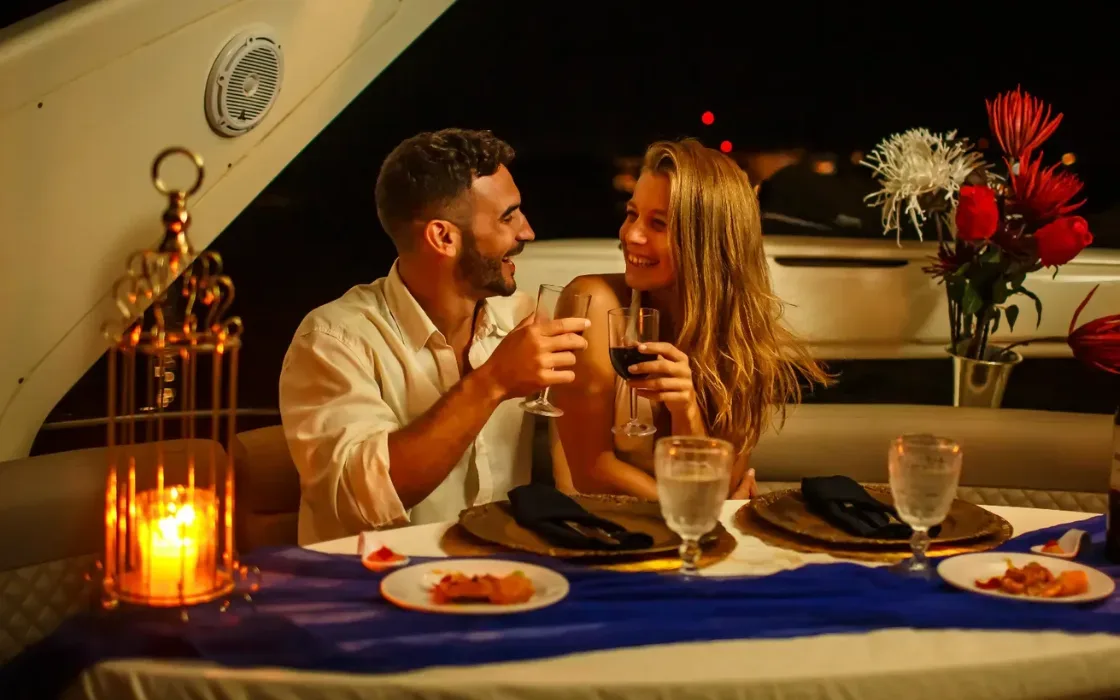
Golden hour on Biscayne Bay
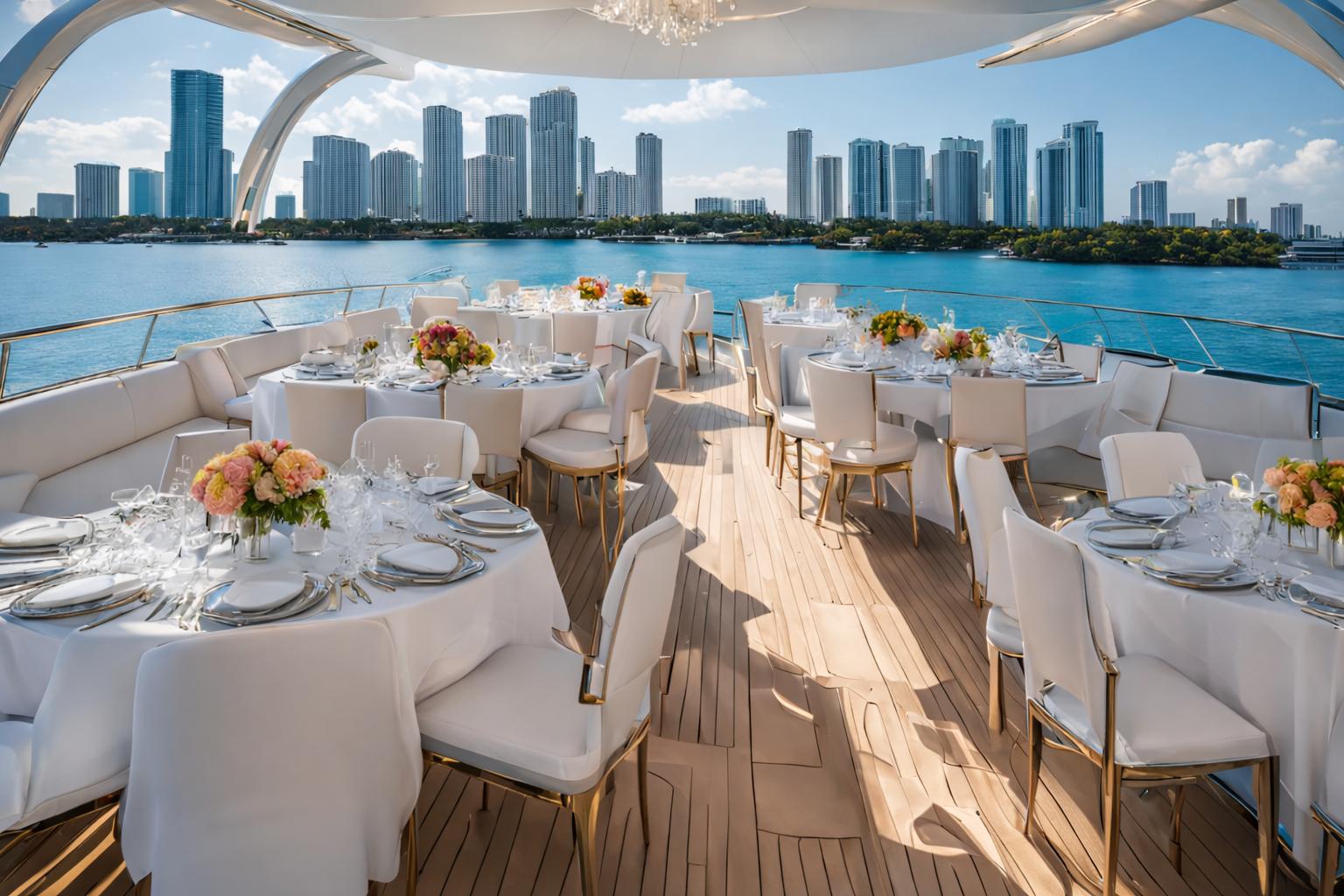
Ceremony and celebration on the water
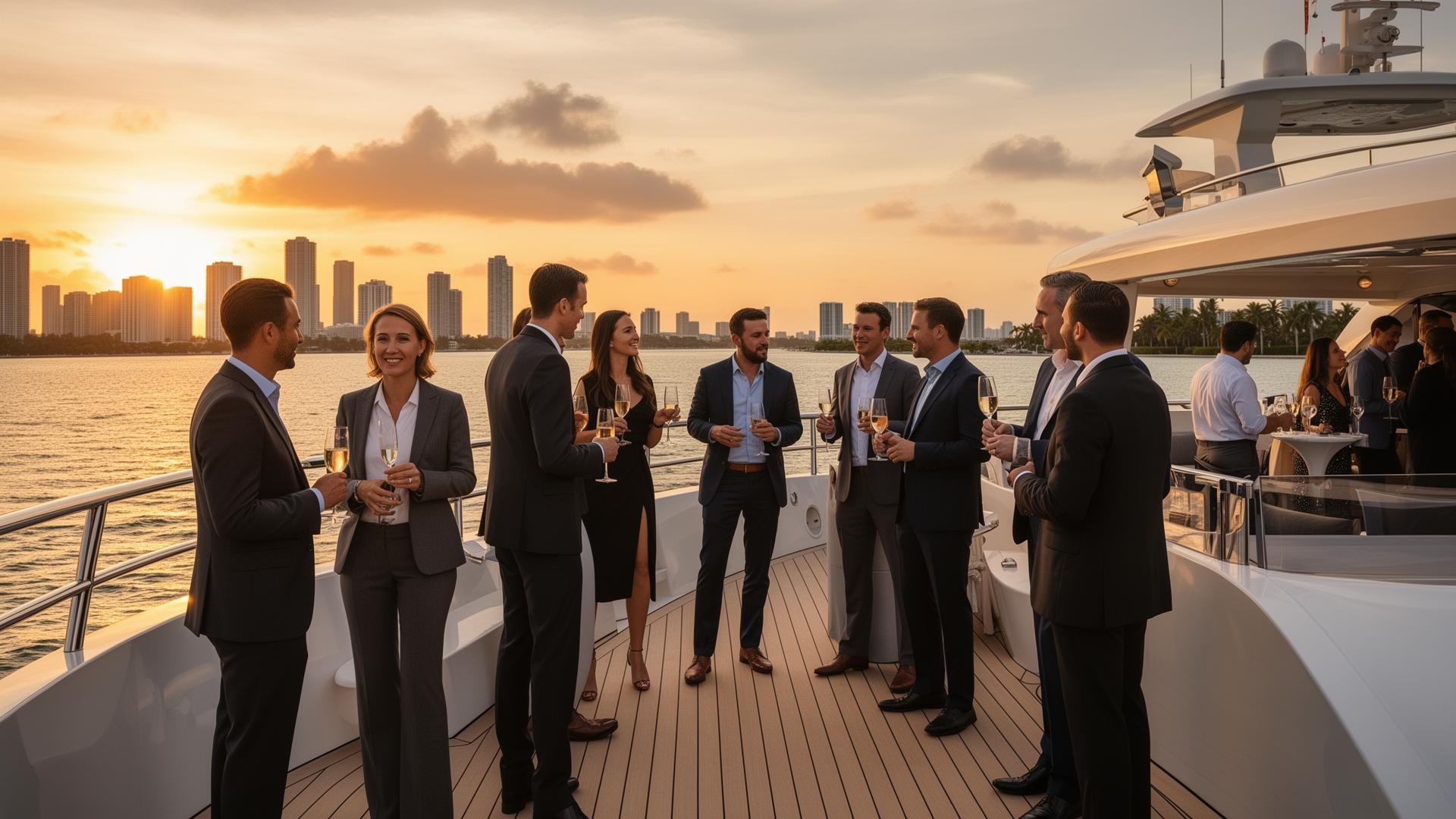
Team events and client entertainment
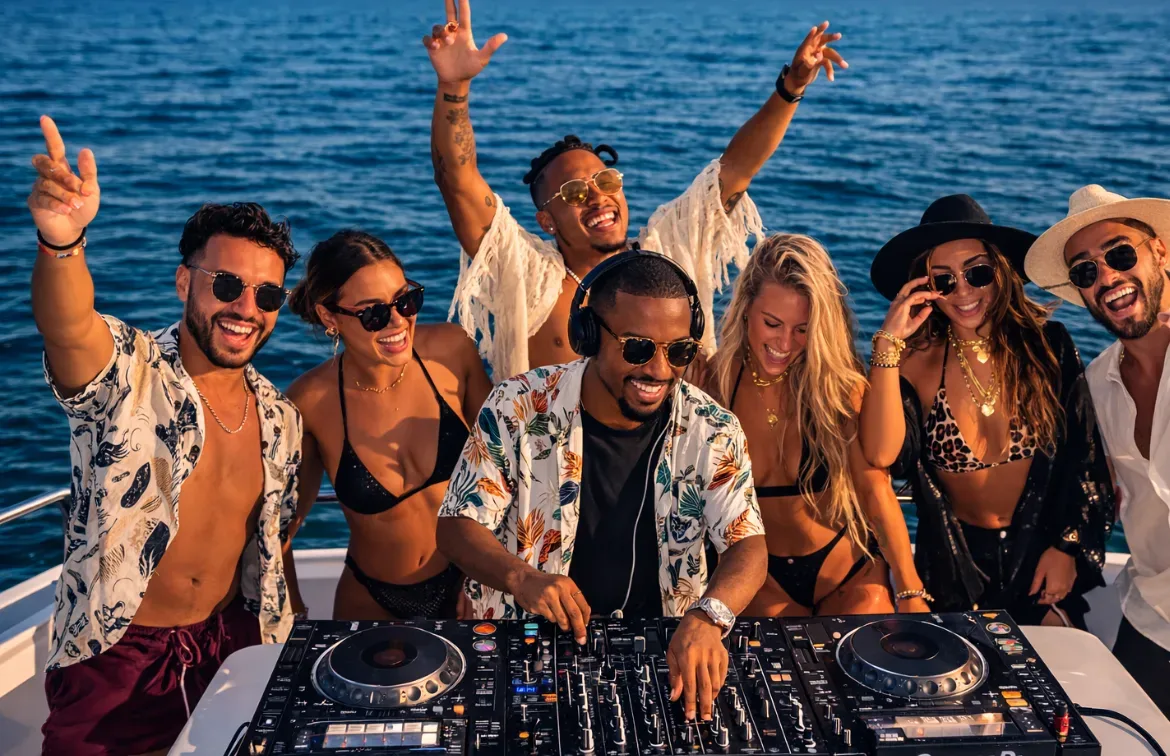
Private party on the open water
What Our Clients Say