JS
Joshua S.
2 hours ago
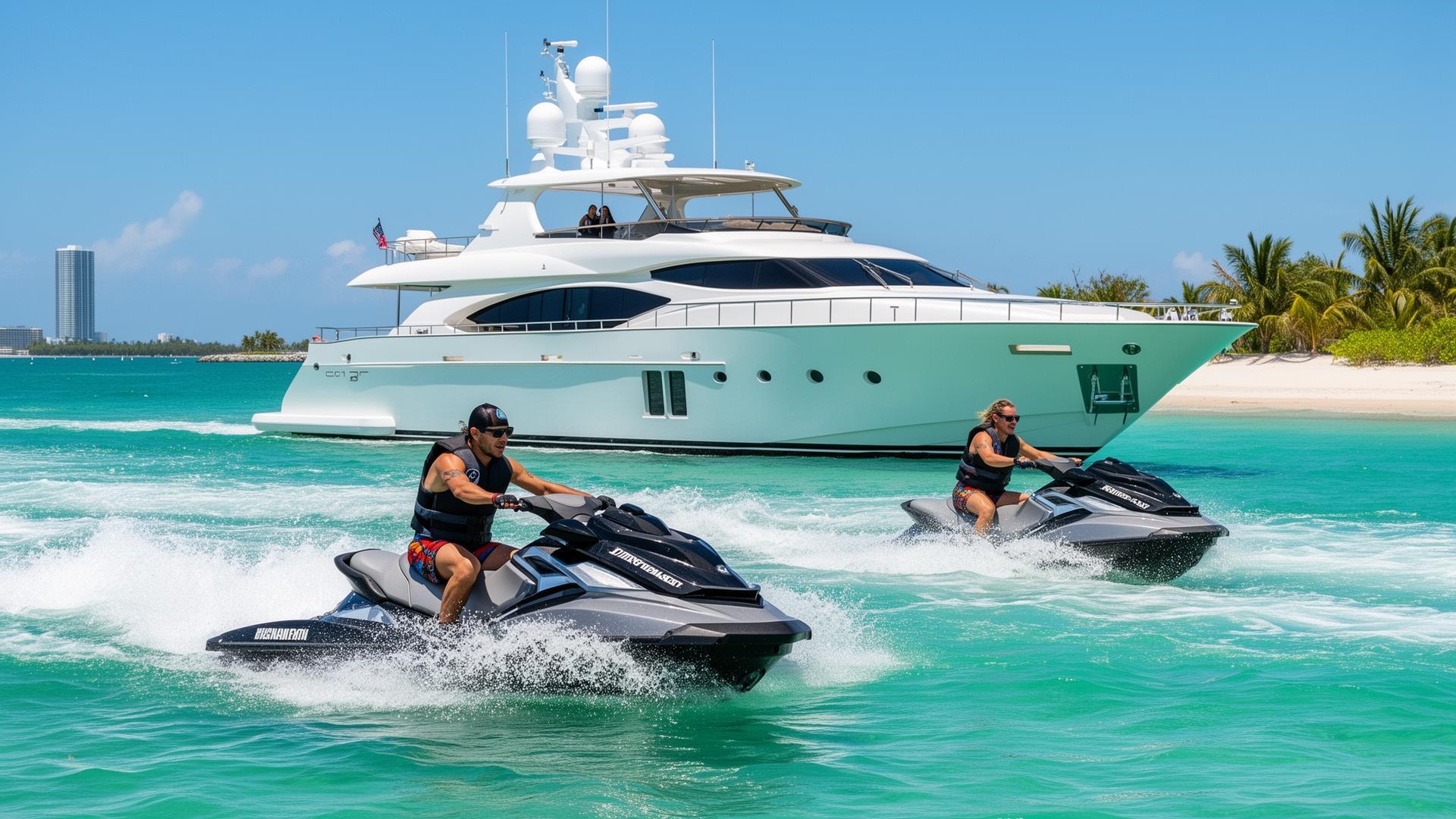
Amazing yacht rental experience. Ben was great on board, helpful, friendly and on top of everything. Everything went perfect, and the jet skis were superior. Will definitely be back.
Explore the coral reefs, seagrass beds, and marine life of Biscayne Bay and the Florida Keys. Guided snorkeling for all ages and experience levels — no certification needed.

AS SEEN IN




SNORKELING MIAMI
Miami sits at the gateway to one of the most accessible reef systems in the United States. Biscayne National Park — the largest mostly-marine national park in the country — begins just 25 miles south of downtown. The Florida Keys reef tract, the only living coral barrier reef in the continental US, stretches south from Key Largo within a half-day's reach by boat. Few cities in the world put recreational snorkelers this close to world-class reef systems.
Unlike scuba diving, snorkeling requires no training, no certification, and no specialized gear beyond a mask, snorkel, and fins. Anyone who can float can snorkel. Children, non-swimmers with flotation aids, and first-timers all regularly discover the reef alongside experienced snorkelers. This guide covers where to snorkel near Miami, what you will see underwater, and everything you need to know for a great day on the reef.
Combining snorkeling with a day on the water? Private yacht tours Miami and yacht charters reach the best reef sites in Biscayne Bay directly — snorkeling from the swim platform while the boat serves as your base for the day.
WHERE TO SNORKEL
From calm bay reefs minutes from downtown to world-class coral systems in the Keys, South Florida has snorkeling options for every ability level and schedule.
The closest and most accessible reef snorkeling to downtown Miami. Biscayne National Park protects 172,000 acres of Biscayne Bay, including shallow coral reef systems, seagrass beds, and mangrove shorelines. The park's protected status keeps the reef healthy and the fish abundant. Typical snorkeling depths range from 5 to 25 feet, making it ideal for beginners and families with children.
Located at the southern tip of Key Biscayne, Bill Baggs offers some of the clearest beach-entry snorkeling in the Miami area. Rocky outcroppings and small patch reefs just offshore host parrotfish, snapper, sergeant majors, and the occasional sea turtle. The lighthouse and protected shoreline make it a scenic setting for a half-day snorkel trip accessible without a boat.
Crandon Park's offshore reef system runs along the eastern edge of Key Biscayne in 10 to 30 feet of water. A short boat ride or kayak from the beach puts you over elkhorn and brain coral, home to dense populations of angelfish, damselfish, and juvenile reef species. The calm, protected conditions and easy depth make Crandon a consistent choice for first-time snorkelers and families.
An offshore reef system southeast of Key Biscayne, Fowey Rocks sits at 15 to 30 feet and offers excellent visibility in calm conditions. The reef structure includes spur-and-groove coral formations with deep crevices hiding lobsters, moray eels, and schools of grunts. Accessible by boat from Coconut Grove, Dinner Key Marina, or Key Biscayne in under 45 minutes.
America's first underwater state park in Key Largo, about 60 miles south of Miami. Pennekamp's shallow reef systems include famous landmarks like the Christ of the Abyss statue — visible in just 25 feet — and colorful patch reefs teeming with fish. The park offers guided snorkel tours by glass-bottom boat and is considered one of the best snorkeling destinations in the continental United States.
One of the most visited snorkel sites in the Florida Keys National Marine Sanctuary. Molasses Reef's shallow sections top out at 10 to 15 feet on the reef flat, putting snorkelers directly over dense coral structures, sponge gardens, and large fish populations. Eagle rays, sea turtles, and large schools of blue-striped grunts are regular sightings. Requires a full-day boat trip from Miami.
TYPES OF TOURS
From guided reef tours to private boat-based snorkeling and family trips, here are the main ways to experience Miami's underwater world.
Led by a local guide familiar with the reef systems and marine life of Biscayne Bay and the Keys. A guide shows you the best coral formations, points out hidden marine life, and manages safety in the water. Ideal for first-timers and for guests who want to make the most of limited time on the water.
A private or shared boat takes you directly to offshore reef systems that are unreachable from shore. Boat-based snorkeling opens up Fowey Rocks, the Biscayne National Park reef tract, and Florida Keys sites in a single day. The boat serves as your base — snorkelers enter and exit from the swim platform and rest on deck between sessions.
Calm, shallow reef sites in Biscayne Bay and Key Biscayne are perfectly suited for children and non-swimmers. Guided family tours use flotation gear for younger children, choose protected reef areas, and keep groups small. Children as young as 5 can participate in guided family snorkel tours with life jackets and instructor supervision.
An evening snorkel session on the reef as the sun drops toward the horizon. Sunset snorkeling catches fish in active feeding mode — parrotfish, wrasses, and grouper are especially active in the late afternoon. The golden light filtering through the water at dusk creates a visual experience that daytime snorkeling cannot replicate.
UNDERWATER
South Florida's reef and bay systems support some of the most diverse marine life in North America — all visible from the surface with a mask and snorkel.
Green sea turtles and loggerheads are among the most celebrated sightings on any Biscayne Bay or Keys snorkel. They graze on seagrass and rest near reef structures. Summer is peak season when females come inshore, but turtles are spotted year-round on Miami's reef systems.
Parrotfish, angelfish, sergeant majors, damselfish, snapper, and hogfish are the backbone of any reef snorkel in South Florida. Healthy reef sections in Biscayne National Park and the Keys can hold dozens of species in a single snorkel session. Parrotfish are particularly visible — their beak-like mouths and vibrant colors make them unmistakable.
Southern stingrays rest on sandy patches between reef structures throughout Biscayne Bay. They are docile and generally unbothered by snorkelers who approach slowly. Seeing one glide across a white sand flat in clear water is one of the most memorable wildlife moments in South Florida snorkeling.
Nurse sharks rest motionless on the sandy bottom near reef structures throughout Biscayne National Park and the Upper Keys. Non-aggressive and slow-moving, they are comfortable around snorkelers and are one of the most reliably spotted shark species on guided tours. An exciting but non-threatening wildlife encounter.
Spiny lobsters shelter in reef crevices and under coral overhangs throughout the Keys and Biscayne Bay. Snorkelers can spot their long antennae extending from cracks in the reef. During lobster season (August through March), lobster concentrations near the reef are especially high, making sightings almost guaranteed on any guided reef snorkel.
Spotted eagle rays cruise the outer reef edges and over seagrass beds at depths accessible to snorkelers. Their wingspan can exceed six feet and their flight through the water column is one of the most photogenic moments in South Florida reef snorkeling. Most commonly spotted at the reef edge in 15 to 25 feet of water.
WHAT TO KNOW
Snorkeling requires no training, certification, or prior experience. If you can float and breathe through your mouth, you can snorkel. Guided tours include 5 to 10 minutes of equipment orientation before entering the water. Flotation aids are available for guests who are not confident swimmers. Children as young as 5 regularly participate in guided family snorkel tours.
Miami offers snorkeling year-round. Water temperatures range from 70°F in January to 85°F in August and September. Visibility is typically best in winter and spring when winds are calmer and rainfall is lower. Summer brings warm water and busy season — popular sites can have more boat traffic. Hurricane season runs June through November, but the vast majority of snorkel days throughout the summer are safe and calm.
Reef-safe sunscreen is mandatory — standard chemical sunscreens damage coral and are prohibited in some areas of Biscayne National Park and the Florida Keys National Marine Sanctuary. Bring a rash guard or t-shirt for sun protection during long surface sessions. Water shoes help on beach-entry sites with rocky entries. Underwater cameras and GoPros are welcome and produce excellent results in South Florida's clear water.
Most Miami snorkel operators provide mask, snorkel, fins, and flotation belt or vest. Wetsuits are available for winter months when water temperatures drop to the low 70s. Equipment is rinsed, dried, and inspected between uses. If you prefer your own mask for comfort or hygiene reasons, bringing a personal mask is always welcome — it guarantees the best fit.
Visibility in Biscayne Bay's inner reef areas typically ranges from 20 to 40 feet in calm conditions. Offshore reef systems like Fowey Rocks and the Keys often exceed 60 feet of visibility. Visibility can drop after heavy rain, strong winds from the northeast, or runoff events. Morning snorkels generally offer calmer wind and better underwater conditions than afternoon sessions.
Guided reef tours typically run in groups of 6 to 12 snorkelers per guide. Private guided snorkeling for small groups is available and recommended for families with young children, guests who prefer a slower pace, or anyone wanting undivided guide attention. A private snorkel combined with a yacht charter provides the ideal full-day water experience in Biscayne Bay.
GET IN TOUCH
Questions about snorkel sites, combining a reef tour with a private yacht charter, family-friendly options, or anything else about snorkeling in Miami? Reach out and we'll help you plan it.
FAQ
EXPLORE MORE

Private birthday celebration on the water
The ultimate girls trip on the water
Reef and wreck dives in Biscayne Bay and the Keys
Ceremony and celebration on the water
Team events and client entertainment
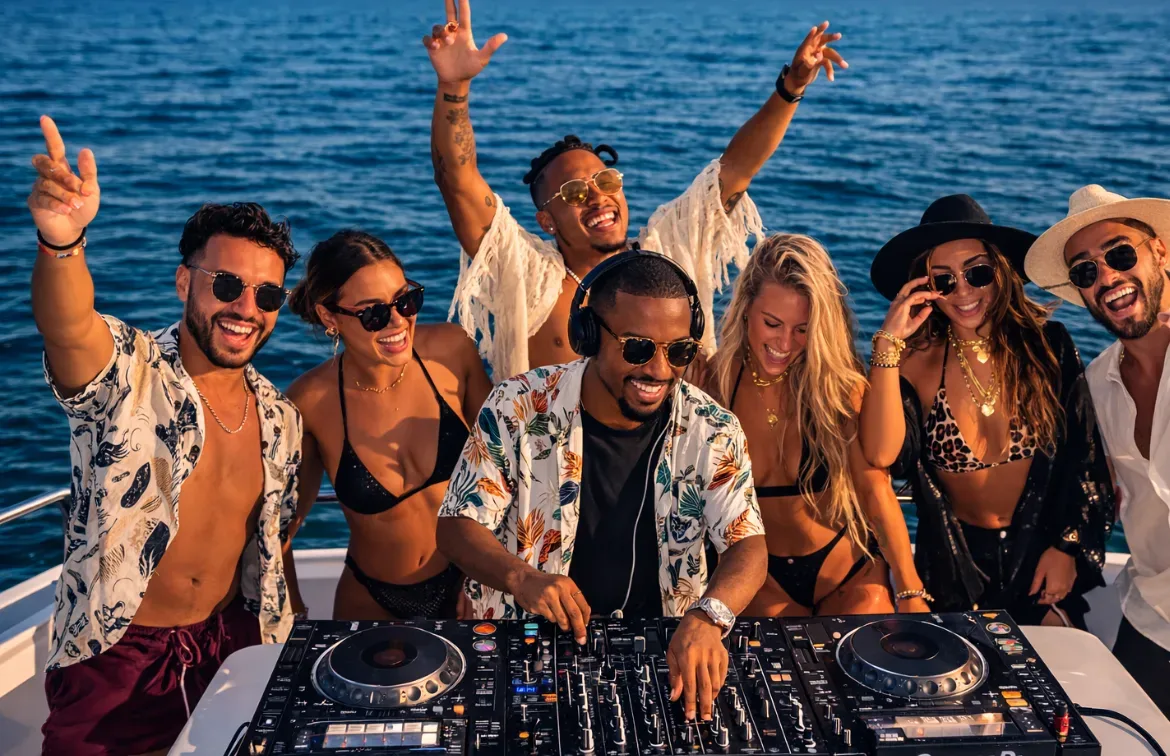
Private party on the open water
What Our Clients Say