JS
Joshua S.
2 hours ago
Amazing yacht rental experience. Ben was great on board, helpful, friendly and on top of everything. Everything went perfect, and the jet skis were superior. Will definitely be back.
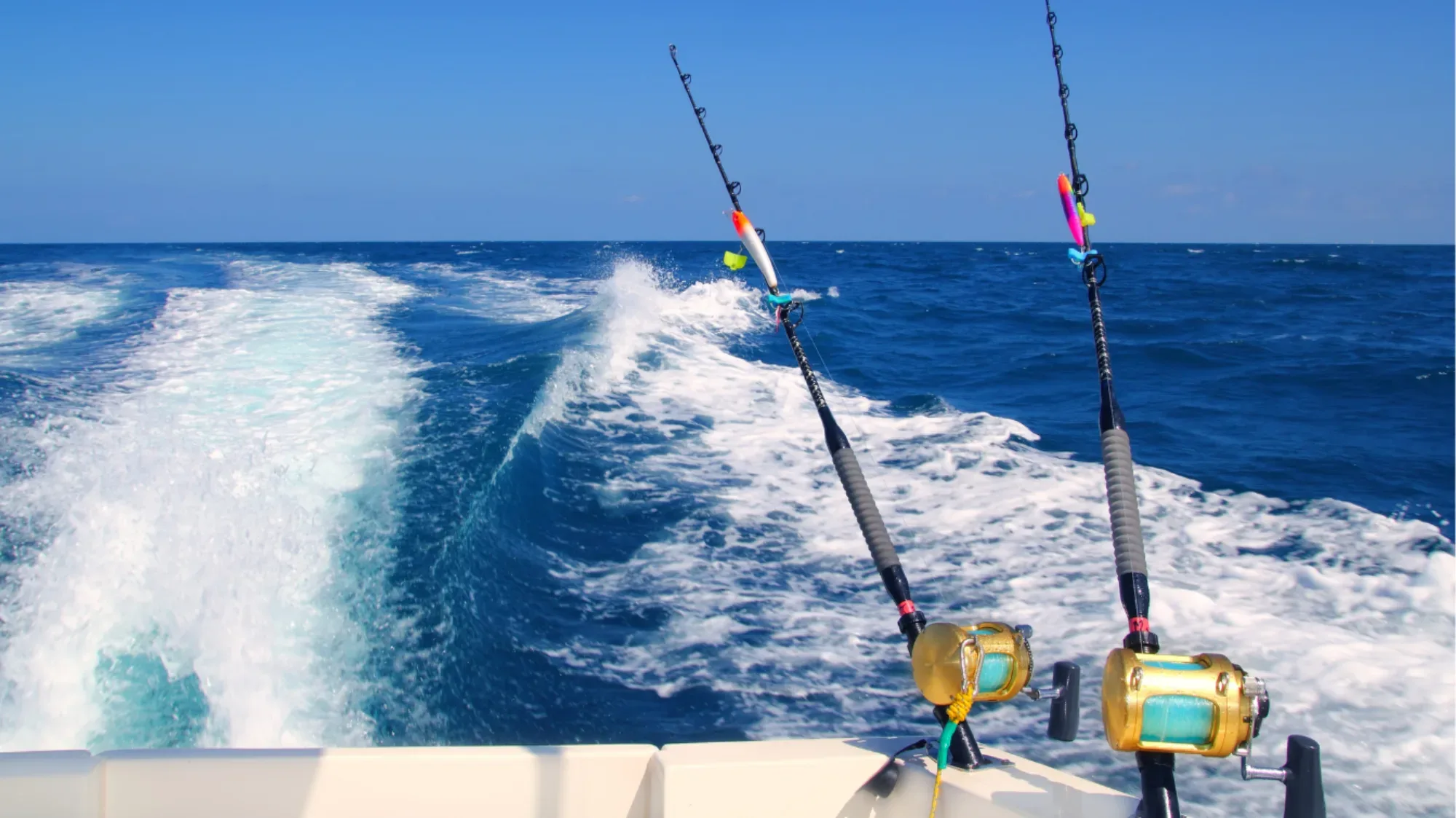
Private fishing charters out of Fort Lauderdale. Inshore, reef, and deep sea trips to the Gulf Stream targeting tarpon, mahi-mahi, sailfish, grouper, and more. USCG-licensed captains. All tackle included.
FISHING CHARTER FORT LAUDERDALE
Fort Lauderdale sits at one of the most productive fishing intersections in North America. The Intracoastal Waterway and New River provide sheltered inshore flats and channels holding tarpon and snook. A triple reef system runs from a quarter-mile to three miles offshore, delivering year-round bottom fishing for grouper and snapper. And the Gulf Stream passes within 2 to 3 miles of the coast, one of the closest approaches of any major city on the Atlantic, putting mahi-mahi, sailfish, and wahoo within a 20 to 30 minute run for a deep sea trip.
A private fishing charter puts you on the water with a USCG-licensed captain who fishes these grounds regularly. You bring nothing but yourself and a cooler. Rods, reels, bait, tackle, and ice are onboard. No fishing license is required for charter guests. Whether you want to chase tarpon in the inlets at sunrise, drop baits on the reef for grouper, or run offshore to the Gulf Stream edge for a shot at a 30-pound mahi-mahi, a private Fort Lauderdale fishing charter puts the right water in front of you. Fishing trips run alongside our full Fort Lauderdale yacht charter fleet, and they work just as well for a family charter as for a larger group charter.
Fort Lauderdale is best known for its deep sea fishing. The nearby Gulf Stream and deep water close to shore make it one of the top destinations in Florida for sailfish, mahi-mahi, and even daytime swordfishing. Many guests combine fishing in the morning, when the bite is strongest, with a relaxed sunset cruise or a sightseeing tour of the Intracoastal in the afternoon. Most trips run out through Port Everglades or north to Hillsboro Inlet beneath the historic lighthouse.
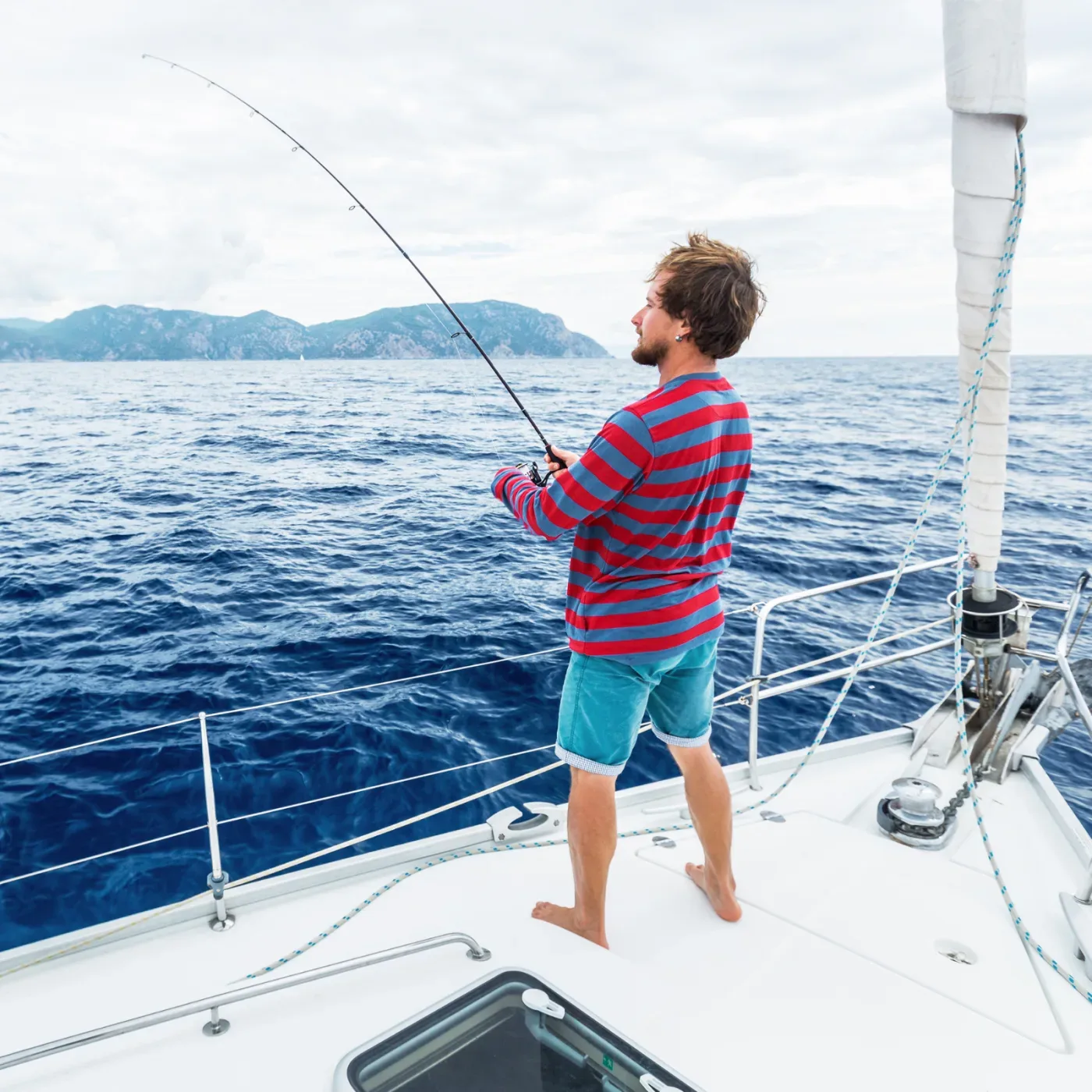
2-3 Miles
To the Gulf Stream, one of the closest deep sea runs on the East Coast
WHERE TO FISH
From the sheltered Intracoastal to the deep blue water of the Gulf Stream, Fort Lauderdale covers every type of saltwater fishing within easy reach of the marina.
The Fort Lauderdale Intracoastal Waterway and the New River provide protected, year-round inshore fishing for tarpon, snook, jack crevalle, mangrove snapper, and ladyfish. The channel edges, bridges, and mangrove shorelines along the Las Olas Isles hold snook throughout the warmer months, while tarpon up to 150 pounds roll the surface on calm mornings near the inlets. Inshore trips stay in flat, sheltered water minutes from the marina, making them ideal for families and first-time anglers.
Fort Lauderdale is fronted by three parallel coral reef lines running from a quarter-mile to roughly three miles offshore in 15 to 90 feet of water. The reef holds grouper, mutton snapper, lane snapper, mangrove snapper, amberjack, cobia, and kingfish year-round. The inner reef at 15 to 30 feet is the most accessible zone for half-day trips, while the outer ledges from 60 to 90 feet produce big mutton snapper and amberjack. The reef sits closer to shore here than almost anywhere else in South Florida.
The Gulf Stream runs within 2 to 3 miles of the Fort Lauderdale coast, one of the closest approaches of the current anywhere on the US East Coast. That short run is what makes Fort Lauderdale a premier deep sea fishing destination: mahi-mahi, wahoo, sailfish, blackfin tuna, and kingfish are reachable within 20 to 30 minutes of leaving Port Everglades. Mahi-mahi peak spring through summer along the weed lines, and Fort Lauderdale is one of the best winter sailfish grounds in the state.
Broward County's artificial reef program has sunk dozens of ships, barges, and structures 1 to 15 miles offshore in 40 to 250 feet of water, creating some of the most reliable wreck fishing in Florida. Goliath grouper, large mutton snapper, cobia, and dense schools of amberjack congregate on known wrecks within easy reach of Fort Lauderdale marinas. Wrecks at 60 to 100 feet are accessible on half-day trips from most departure points.
Port Everglades Inlet connects the Intracoastal to the Atlantic with deep, fast-moving water that funnels bait and predators, holding snook, tarpon, jack crevalle, Spanish mackerel, and bluefish. A short run north puts boats at Hillsboro Inlet, another productive spot beneath the historic lighthouse. Both inlets drop quickly to 20 to 40 feet on the ocean side and give quick access to the inner reef in 15 to 25 feet.
Because the deep water sits so close to Fort Lauderdale, swordfish are targeted by dropping specialized baits to 1,500 to 1,800 feet just a few miles offshore. The deep-drop technique uses heavy weights and electric reels to present squid on the bottom, and daytime swordfishing has become a signature Fort Lauderdale deep sea trip. Swordfish average 80 to 250 pounds and represent one of the most powerful catches available in South Florida.
TYPES OF CHARTERS
From a quick half-day inshore trip to a full-day deep sea run to the Gulf Stream, here are the main ways to fish Fort Lauderdale's waters.
The most popular option for first-time charter guests and families. A half-day inshore trip targets Intracoastal and New River species within minutes of the marina, with no offshore run and no seasickness risk. Tarpon, snook, jacks, and mangrove snapper are the primary targets. Suitable for any age and any level of fishing experience.
A full-day offshore trip runs to the Gulf Stream edge just a few miles out and targets mahi-mahi, wahoo, sailfish, and tuna. Because the deep water is so close to Fort Lauderdale, guests spend more time fishing and less time running. Full-day trips often cover reef fishing on the return leg, giving guests multiple species in a single outing.
Fort Lauderdale's triple reef line and artificial reef wrecks sit a quarter-mile to 15 miles from shore and are accessible on a half- or full-day trip. Bottom fishing on the reef produces grouper, snapper, amberjack, and cobia. The variety of species and constant action makes reef and wreck fishing the best choice for groups who want to fish all day without a long offshore run.
The last two hours before sunset trigger one of the most active feeding windows of the day. A sunset fishing charter targets the evening bite on the Intracoastal, the inner reef, or the inlets for snook, tarpon, jacks, and snapper. This option pairs well with a sunset cruise and is ideal for guests who prefer the cooler evening hours on the water.
Start the morning fishing inshore or on the reef, then cruise the Intracoastal past the Las Olas Isles or anchor at Lake Sylvia in the afternoon for swimming and relaxing. The combo format gives families and groups the complete Fort Lauderdale water experience: active fishing in the morning when the bite is strongest, followed by a relaxed sightseeing cruise in the afternoon.
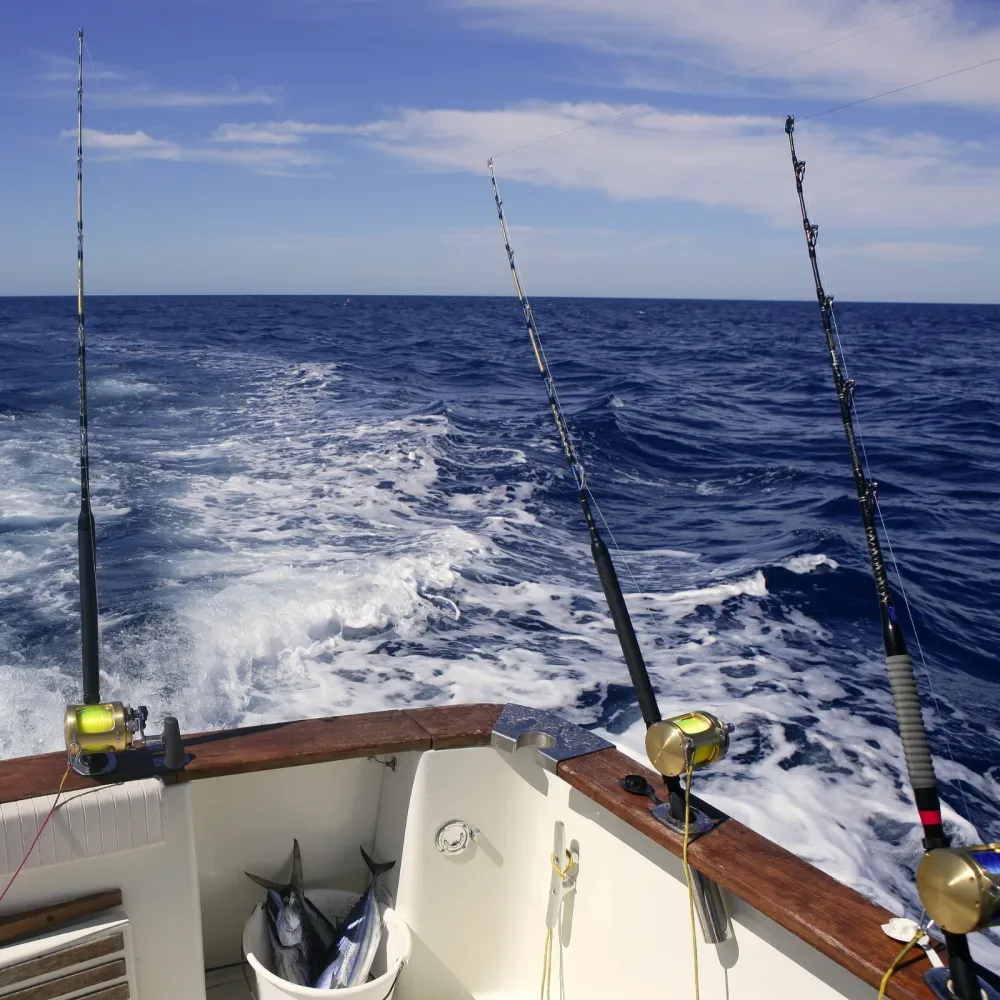
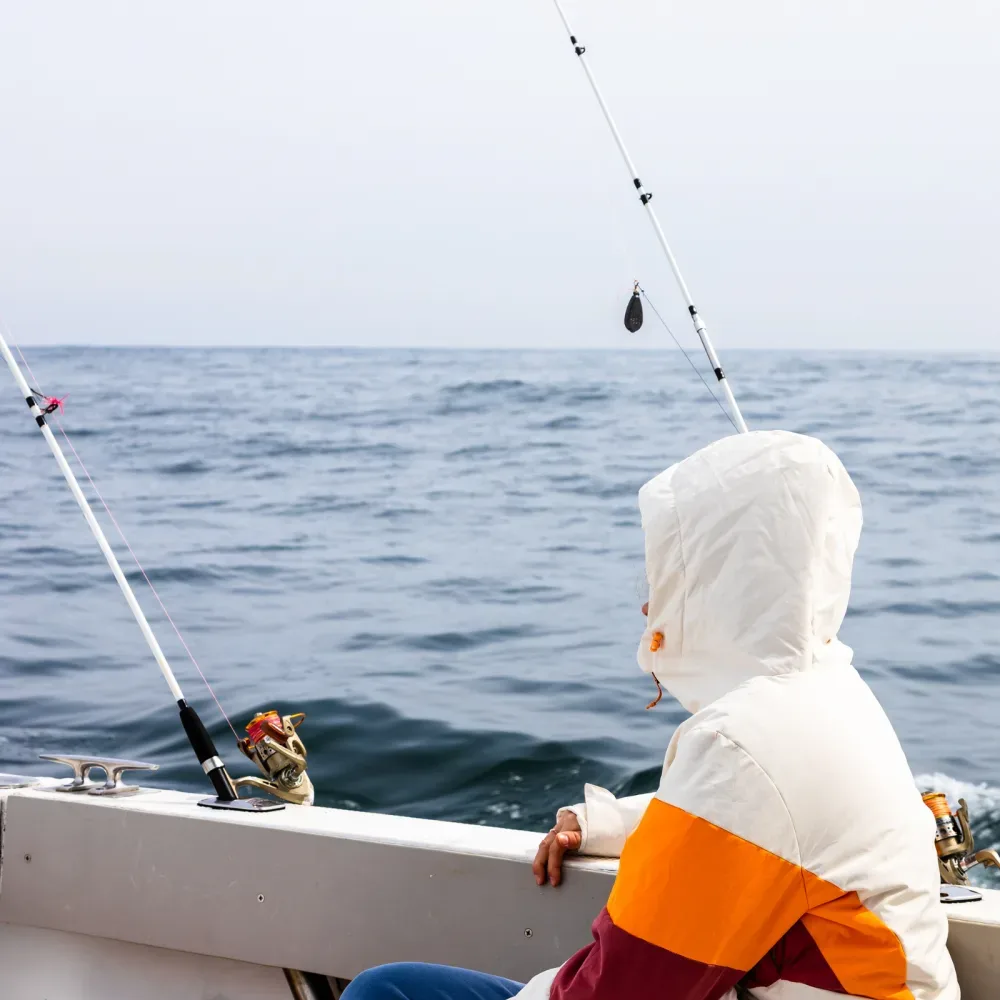
WHAT YOU'LL CATCH
Fort Lauderdale's combination of inshore flats, a triple reef line, and close Gulf Stream access creates one of the most species-diverse fishing destinations on the East Coast.
The most targeted offshore species in Fort Lauderdale. Mahi-mahi school near floating weed lines, debris, and the temperature break at the Gulf Stream edge. Peak season runs April through July when fish average 10 to 30 pounds. A 40-pound-plus mahi is a legitimate trophy on any Fort Lauderdale deep sea charter. They are aggressive strikers, jump repeatedly when hooked, and are exceptional table fish.
Fort Lauderdale sits in the heart of Atlantic sailfish territory and is one of the best winter sailfish grounds in Florida. Sailfish are present year-round but peak from December through March when they concentrate along the Gulf Stream edge just offshore. The fish are typically released alive after capture. An aerial fight from a sailfish, often lasting 30 to 45 minutes, is one of the most dramatic experiences in South Florida fishing.
Tarpon up to 150-plus pounds migrate through the Fort Lauderdale inlets and Intracoastal each spring and summer, creating one of the most celebrated inshore fisheries in the world. The Silver King is known for spectacular aerial acrobatics after being hooked. Port Everglades, the bridges, and channel edges concentrate tarpon from April through August. Tarpon are strictly catch-and-release in Florida.
Grouper and snapper are the backbone of Fort Lauderdale's bottom fishing on the triple reef and the wrecks. Red grouper, black grouper, gag grouper, lane snapper, mangrove snapper, and mutton snapper are all present year-round. Bottom fishing on the reef line at 30 to 90 feet produces consistent action. Both are excellent table fish and a major draw for charter guests who want to bring dinner home.
Wahoo and blackfin tuna are offshore targets on full-day Fort Lauderdale charters. Wahoo are among the fastest fish in the ocean and provide explosive action on the troll. Blackfin tuna school near current edges and weed lines in the Gulf Stream zone. Both species provide intense, fast-paced action and are prized catches for sport fishermen targeting the deep water off Fort Lauderdale.
Florida snook are one of the most sought-after inshore species in South Florida, feeding aggressively around mangrove shorelines, bridges, inlets, and channel edges along the Intracoastal. Jack crevalle are present year-round in large schools and are among the hardest-fighting fish in South Florida pound for pound. Jacks will destroy a trolled lure or live bait with explosive aggression.
WHAT TO KNOW
Anglers fishing aboard a federally licensed charter boat in Florida do not need a personal fishing license. The captain's federal Charter Boat permit covers all paying guests. You simply show up to the boat ready to fish. Anglers fishing from shore or from a private vessel in Florida waters require a saltwater fishing license, available online through the Florida Fish and Wildlife Conservation Commission.
The vast majority of charter guests are not experienced anglers. Captains provide full instruction on how to hold a rod, set the drag, fight a fish, and handle the catch. Most guests can productively participate within 30 minutes of departure. Charter fishing is one of the few outdoor activities where a complete beginner can realistically land a 50-pound mahi-mahi or a 100-pound tarpon on their first outing.
Wear sunscreen, a hat, and light long-sleeve clothing for sun protection. Bring water, snacks, and any medications you may need, including seasickness prevention for offshore trips. Polarized sunglasses help you spot fish and reduce eye strain on the water. A light rain jacket is useful for early morning or offshore trips. Do not bring glass containers on the boat. Tackle, bait, and ice are provided by the charter.
Fort Lauderdale offers productive fishing 365 days a year, with seasonal peaks for each species. Mahi-mahi peak April through July offshore near the Gulf Stream weed lines. Sailfish run strongest December through March, when Fort Lauderdale becomes one of the top billfish grounds in the state. Tarpon arrive in the inlets from April through August, with May and June being peak months. Grouper and snapper hold the reef year-round.
A half-day trip (4 to 6 hours) is the right starting point for first-timers, families with children, or guests targeting inshore species on the Intracoastal. A full-day trip (8 to 10 hours) is ideal for deep sea runs to the Gulf Stream and for guests targeting mahi-mahi, sailfish, or wahoo. Because the Gulf Stream is so close to Fort Lauderdale, even a shorter offshore trip can reach blue water and produce pelagic species.
Florida fishing regulations govern all catches. Tarpon and sailfish are catch-and-release-only in Florida. Grouper, snapper, and mahi-mahi are subject to size and bag limits that vary by season and species. Your captain tracks the current regulations and ensures all catches are handled legally. Guests who want to keep their catch for dinner typically have options for reef fish and mahi-mahi during peak season, within size limits.
GET IN TOUCH
Questions about fishing grounds, target species, charter durations, or combining a fishing trip with a day on the water? Reach out and we'll help you put together the right itinerary.
FAQ
What Our Clients Say
Explore
Explore Other Destinations